Eintracht Frankfurt’s European Pedigree Shines in Knockout Win
Rain lashed against the floodlights at Deutsche Bank Park as the ninety-minute marker approached, the scoreboard locked in a tense stalemate that demanded a decisive breakthrough. Supporters gripped the terraces, watching how easily an away-goal advantage could have evaporated under sustained pressure. Instead, experienced campaigners stepped into the void, trading frantic chasing for measured territorial control. Midfield engines dictated tempo, defensive lines held compact spacing, and attacking movements remained disciplined until the referee finally raised his whistle. The result did not rely on individual brilliance alone; it emerged from collective structure, tactical awareness, and a familiarity with continental knockout drama that younger squads simply cannot manufacture overnight.
This latest victory confirms what scouts and analysts have tracked throughout the group phase: Eintracht Frankfurt’s European pedigree shines in knockout win scenarios where margins shrink and execution becomes paramount. Rather than leaning on brute force, the side demonstrated controlled aggression, recognizing when to press high and when to drop into a structured mid-block. The three points secured their progression, but the underlying performance revealed a squad capable of adapting its game model mid-campaign. Every touch felt intentional, every transition minimized risk, and the overall rhythm reflected preparation rather than reaction.
The Immediate Aftermath of a Crucial Tie
Tournament structures rarely reward consistency; they punish hesitation. That reality defines knockout football, where a single defensive lapse or missed positioning error can rewrite an entire season. Frankfurt’s performance aligned precisely with those high-stakes requirements. The side maintained numerical superiority in central zones, forced opponents into wide areas, and converted territorial possession into progressive passing sequences. Even when the opposition mounted waves of attack, the defensive line communicated clearly, stepping up to compress space and denying easy through balls.
Match officials noted increased physical intensity compared to domestic fixtures, a pattern common across European competitions. Frankfurt responded by managing fatigue through calculated substitutions and shifting formation shapes rather than attempting to overpower the opponent. The bench contribution proved vital, injecting fresh legs to sustain pressing triggers while preserving core defenders for late-phase recovery runs. Tactical flexibility separated a routine win from a statement performance, and the squad displayed exactly that distinction when fatigue threatened to dilute concentration levels.
From a broadcasting standpoint, the match carried significant weight beyond the immediate bracket advancement. European coefficients matter, sponsor visibility increases, and player development pathways often hinge on these high-pressure windows. Frankfurt understood the ecosystem surrounding knockout campaigns, approaching the fixture with operational clarity rather than emotional volatility. The result stands as a functional benchmark: progress achieved through structure, not speculation.
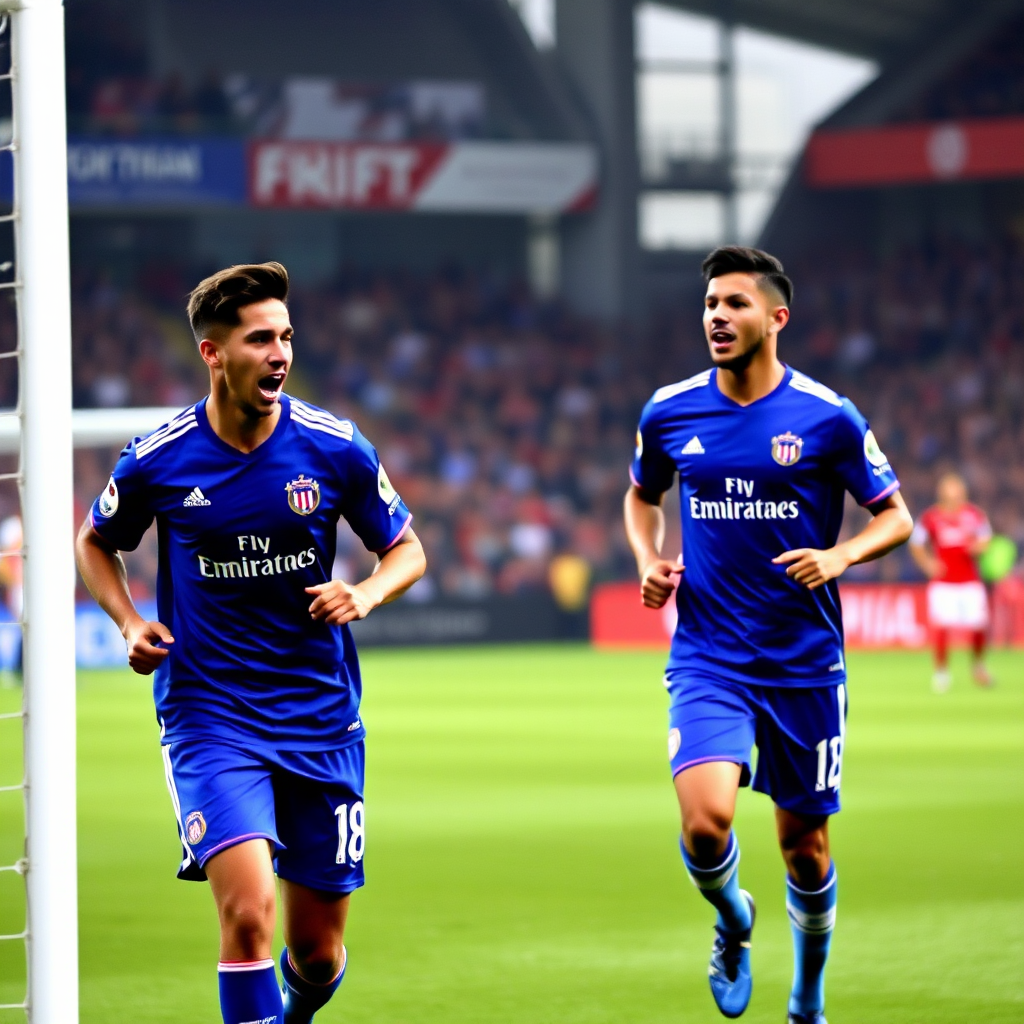 Hình minh hoạ: https://789club5.world/
Historical Context and Tactical Lineage
Continental competition demands more than current squad ratings; it requires institutional memory. Frankfurt’s recent run echoes phases from previous decades when the club navigated multi-leg ties against technically superior opposition. Those historical encounters established a playing philosophy centered on rapid vertical transitions, compact defensive organization, and willingness to absorb pressure before exploiting transitional windows. Modern coaching staffs have refined that foundation using video analysis and GPS tracking, but the core identity remains unchanged.
European campaigns historically expose squad depth weaknesses, especially when injuries accumulate across congested schedules. This iteration approached roster management with deliberate periodization, rotating peripheral players during lower-intensity phases while reserving primary starters for peak moments. The strategy reduced cumulative load, preserved sprint capacity for second-half surges, and maintained tactical coherence despite lineup variations. Such methodology reflects years of trial, error, and successful adaptation within continental tournaments.
Fans and local media have long debated whether domestic success translates to continental relevance. This knockout display settled part of that conversation without claiming permanent resolution. The side demonstrated that cultural comfort with European night environments directly influences decision-making under pressure. Veteran leadership stabilized chaotic periods, young talents executed coach-directed roles without hesitation, and the collective unit operated as a synchronized system rather than isolated individuals. Historical resonance materialized through present-day execution.

Structural Shifts During the Match
Game states dictate tactical adjustments, and Frankfurt’s approach evolved cleanly as momentum shifted. Early phases emphasized patient buildup, utilizing fullbacks to stretch width and midfielders to probe between lines. When the opposition sat deeper, the side introduced diagonal switches to exploit half-spaces, creating overloads that forced defensive misalignment. The transition from possession-dominance to chance-creation required precise timing, which the squad delivered through rehearsed patterns rather than improvisation.
Defensive solidity formed the foundation of the performance. Compactness between the back four and midfield trio limited central penetration, while coordinated pressing traps forced turnovers in non-dangerous zones. Opponents attempted quick counters, but recovery runs were optimized through pre-assigned running lanes and communication protocols. Goalkeeper distribution initiated counter-pressing sequences, ensuring that even after conceding possession, the side retained directional control. Structural discipline prevented fragmentation during high-intensity segments.
Substitutions served strategic purposes rather than reactive ones. Fresh attackers entered to manipulate tired defensive markers, pushing the opposition into deeper blocks and opening space for overlapping runs. Defensive changes maintained shape integrity while introducing additional mobility to cover wide channels. The coaching staff monitored physiological metrics closely, adjusting tempo accordingly to preserve stamina for subsequent fixtures. For the full breakdown, visit https://789club5.world/.

Stakeholder Perspectives and Media Sentiment
Post-match commentary highlighted the balance between confidence and caution. Coaches emphasized that progression does not eliminate upcoming challenges, noting that subsequent rounds will demand even higher execution standards. Player interviews reflected measured satisfaction, acknowledging the quality of the opposition while attributing success to prepared routines and mutual trust. Analysts pointed to improved decision-making in final third entries, suggesting that repeated exposure to continental formats accelerates tactical maturity.
Supporter forums echoed similar observations, focusing on sustainability rather than short-term euphoria. Long-term followers recognize that knockout victories multiply quickly, and complacency erodes hard-earned advantages. Discussions centered on managing travel fatigue, monitoring minor muscular complaints, and maintaining hydration protocols across consecutive international breaks. The community mindset aligns with professional expectations: celebrate efficiently, reset immediately, and prepare for escalation.
Broadcast networks expanded coverage to include tactical overlays, breaking down pressing triggers and spatial control maps. Data visualization tools confirmed Frankfurt’s efficiency in zone 14 entries, highlighting how structured buildup generated higher-quality chances than volume shooting. External observers noted that the side avoids unnecessary risks, preferring calculated progression over speculative attempts. Consistency in methodology builds predictability for opponents, forcing them into uncomfortable adjustments that favor the more organized unit.

Forward-Looking Assessment
Advancement marks a milestone, not a conclusion. Subsequent fixtures will test recovery capacity, tactical adaptability, and squad versatility against unfamiliar opponents. Preparation will prioritize location-specific scouting, weather condition simulations, and set-piece refinement, all of which influence knockout outcomes. Travel logistics, pitch dimensions, and refereeing tendencies require early integration into training cycles, ensuring that variables remain controlled rather than reactive.
Injury management will dictate rotational availability, particularly in central midfield and defensive pairing roles. Monitoring workload distributions, sleep quality, and nutritional intake becomes essential during compressed schedules. Medical teams will implement preventive protocols, reducing soft-tissue incidents that commonly derail continental campaigns. Maintaining baseline fitness ensures that tactical instructions translate effectively onto the pitch, regardless of opposition strength.
Media engagement will increase alongside tournament progression, demanding clear communication strategies to prevent misinformation. Official channels will provide verified updates, emphasizing transparency regarding selection decisions and recovery timelines. Stakeholders benefit from centralized information hubs that reduce speculation and focus attention on performance indicators rather than rumors. Structured outreach sustains supporter trust while protecting internal processes from external pressure.
Action Checklist for Following the Campaign
- Monitor official club communications for verified lineup announcements and injury reports.
- Track tactical adjustments through reputable sports data platforms, focusing on pressing metrics and possession zones.
- Verify travel schedules and venue conditions well ahead of kickoff to anticipate environmental impacts.
- Review post-match analysis clips that highlight set-piece routines and transitional patterns.
- Consult certified health resources for fatigue management tips if attending multiple fixtures in quick succession.
- Engage with moderated supporter communities to exchange informed perspectives without relying on unverified rumors.
- Prepare contingency plans for ticket verification, parking access, and public transit routes ahead of matchday.
- Document performance trends across rounds to identify recurring strengths or areas requiring tactical correction.

 Hình minh hoạ:




 Hình minh hoạ:




 Hình minh hoạ:




 Hình minh hoạ:




 Hình minh hoạ: cà khịa




 Hình minh hoạ: trang chủ 8xbet




 Hình minh hoạ: trang chủ 8xbet



 Hình minh hoạ: trang chủ 8xbet



 Hình minh hoạ: